
Areas where digital dentistry can make a difference
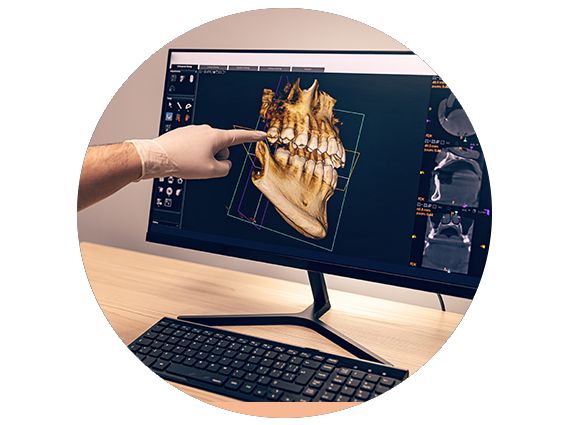
Digital Imaging
Replace traditional X-ray films with digital radiography systems. Digital X-rays provide:
- instant results.
- reduced radiation exposure.
- the ability to enhance and manipulate images for better diagnostics.
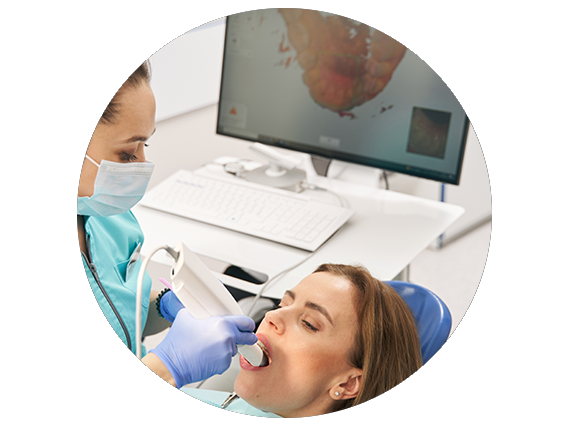
Intraoral Scanners
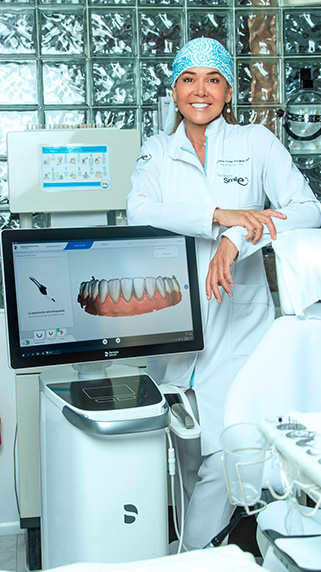
Use intraoral scanners to capture detailed 3D images of patients' teeth and gums. These scans can be used for accurate impressions, treatment planning, and fabrication of dental restorations such as crowns and bridges.
CAD/CAM Technology
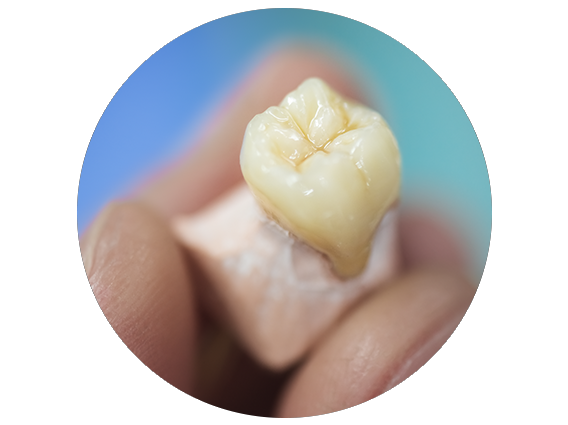
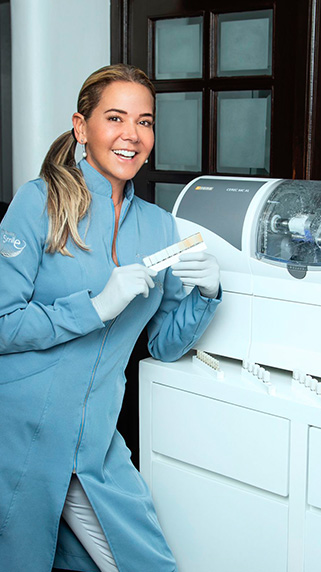
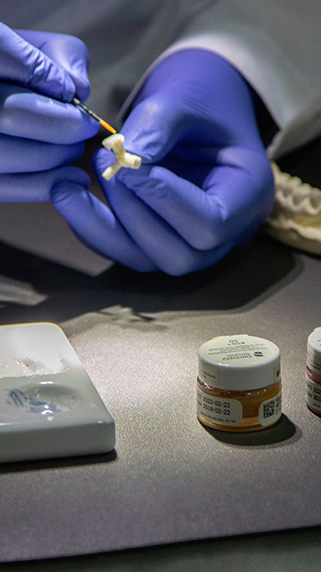
Computer-aided design (CAD) and computer-aided manufacturing (CAM) systems enable the creation of dental restorations like crowns, bridges, and veneers. With CAD/CAM technology, restorations can be designed digitally and milled from ceramic or composite materials in the dental office, eliminating the need for external labs and reducing turnaround time.
Digital Treatment Planning
Utilize software programs that allow comprehensive treatment planning, including virtual smile design, analysis of occlusion, and simulation of orthodontic movements. These tools aid in better communication with patients and enhance treatment outcomes.
Electronic Dental Records
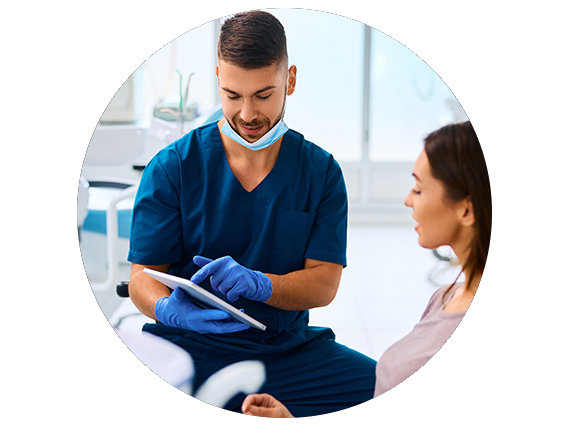
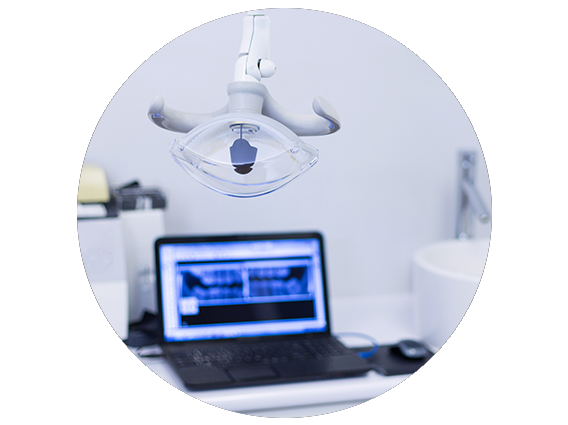
Transition from paper-based records to electronic dental records (EDRs). EDRs streamline documentation, enable efficient information sharing, and improve data security. They also facilitate integration with other digital systems and allow for easy access to patient records.
Teledentistry
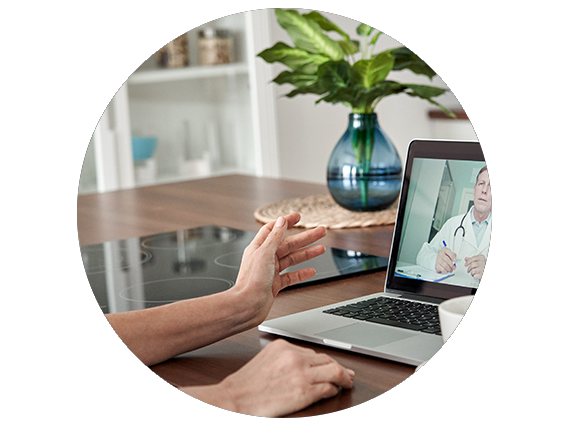
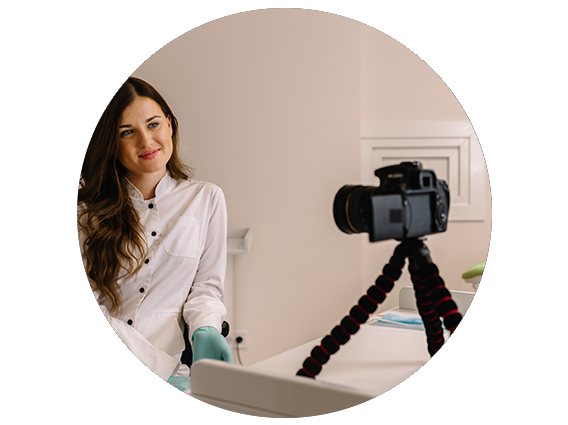
Embrace telecommunication technologies to provide remote dental consultations, follow-ups, and advice. Teledentistry can improve access to care, especially in underserved areas, and reduce the need for in-person visits for certain dental concerns.
Practice Management Software
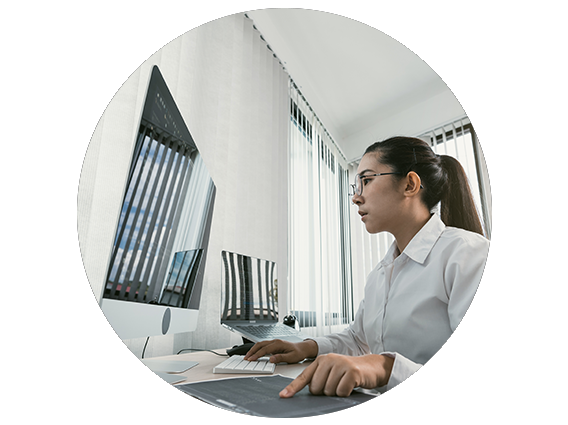
Implement digital tools for scheduling, billing, and patient management. Practice management software can automate administrative tasks, enhance efficiency, and improve the overall patient experience.
Education and Patient Communication
Use digital tools like interactive educational videos, virtual reality, and augmented reality to educate patients about oral hygiene, treatment options, and post-operative care. These tools can improve patient understanding and engagement.

Screenshot
Why Migrate to Digital?

ADigital dentistry reduces the risks and inaccuracies that sometimes occur in work done by humans, providing greater consistency, accuracy, and precision at each stage of the dental workflow. Each digital stage is standardized minimizing risks, dental restorations have better fit, better function, greater aesthetics, and greater clinical adaptability, with fewer errors, with fewer adjustments and obviously in less time.
Improved efficiency due to time savings. All processes are standardizable, predictable, and repeatable, providing more precision and higher quality, minimizing human errors and failures in the applicability of materials. Less intraoral work time in impression taking, less laboratory work time, and less functional adjustment time.
Entering the era of digital dentistry is a complicated choice, first we must change the way of thinking and move from the conventional that has always worked well for us, to the digital that we know works perfectly but we have not tried, and know that we must face a new learning curve and the use of new terms and tools; in addition to the high investment that we need to make to have reliable equipment that provides us with high quality and efficiency. In dental practice, time is money, with high-precision technology appointments are shorter, higher performance, and more satisfied patients.
One of the most important benefits of digital technologies is the improvement in patient experience and comfort. Digital technologies improve the workflow from diagnosis, planning, and execution of treatments. Intraoral scanning is faster and substantially more comfortable than conventional impressions with alginate or silicones; additionally, it complements a conglomerate of data to facilitate planning, allowing more conservative treatments and restorations with better function.
There is a wide range of interactions such as orthodontics, implantology, dental cosmetics, full arch restorations, endodontics, obviously varying its applicability according to each specialty, where all treatments start from the same principle, digital impression and a good clinical diagnosis.
Just like the manufacture of conventional restorations, digital production begins with the unique and individual shape of the teeth and the physiognomy of each patient. Intraoral scanners can be used in dental practice to capture images directly in the patient's mouth, replacing unpleasant manual impressions with fast and accurate digital impressions. This intraoral digital record of the patient can be coupled with extraoral photographs and tomographies to concatenate all the individual information, and collect the data to create smiles with excellent function, harmony, and aesthetics.
After intraoral capture, the patient's anatomical, morphological, and functional data are exported to dental CAD software, where treatments can be planned and each of the individualized restorations designed, choose the type of material, specific color, in addition to making a virtual assembly in articulator.
To make each restoration, state-of-the-art materials with high quality and longevity standards are used, which are essential to manufacture pieces with smooth surface finishes, fine details, individualized morphology, and high precision. The digital milling machine is responsible for making the restorations, depending on the type of milling machine the required time can be between 12 min to 2 hours. Being able to deliver restoration treatments in a single appointment.
Generally, these CAD/CAM pieces require minimal intraoral adjustments, since each step is digitally standardized so that each final restoration is highly aesthetic and highly functional, minimizing the discomfort that a dental appointment can cause.

Get more information!
We help you to change your Worl!